Wildfires rage across southern Europe as temperatures top 40C
Overview
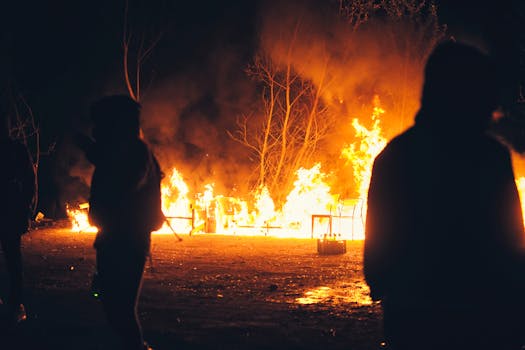
Wildfires fueled by soaring temperatures raging across southern Europe, causing widespread damage and prompting evacuations in affected areas. The intense dry heat and strong winds have created ideal conditions for fires to spread, with some reaching temperatures exceeding 40 degrees Celsius. Authorities struggle to contain the blazes, with many residents forced to leave their homes as a precaution.
Impacts
The wildfires have destroyed homes, businesses, and natural habitats, causing immeasurable grief and loss. The smoke and ash cloud the sky, obscuring the sun and affecting the local climate and air quality. People have suffered respiratory problems and health issues from the poor air quality. The wildfires have also devastated local wildlife and their natural habitats, resulting in a loss of biodiversity and ecological imbalance.
Efforts to Combat Wildfires
Firefighters are working tirelessly to control the blazes, utilizing aerial support and aggressive firefighting techniques to control the situation. Local communities rally together to offer support and aid to those affected. Authorities are also implementing measures to improve forest management and maintenance to minimize the risk of future fires.
Climate Change Implications
Scientists attribute the unprecedented severity and frequency of these wildfires to global warming and climate change. Rising temperatures and prolonged drought-like conditions create ideal conditions for wildfires to ignite and spread rapidly. There is an urgent call for governments to address the impacts of climate change and implement strategies to mitigate these types of environmental disasters.
Looking Ahead
Authorities will continue to monitor the situation and implement preventive measures to address the wildfire problem in the region. Communities will be involved in rebuilding and recovery efforts to restore affected areas. The article emphasizes the importance of proactive fire management and comprehensive emergency response plans to tackle such events in the future.